We started because someone had to care about the details
Three decades in historic building conservation taught us that installation matters as much as the product. Maybe more.

Three decades in historic building conservation taught us that installation matters as much as the product. Maybe more.

In 1998, our founder was working on a Grade II listed townhouse in Bath. The specification called for like-for-like sash replacement, but the installation method would have caused irreversible damage to the original brickwork.
He walked away from the contract and started this company to do it properly. That decision cost him six months of income. It also defined everything we've done since.
We measure thermal performance and structural integrity before discussing products. Can't price accurately without knowing what's behind the plaster.
Every person on site is directly employed. They've all completed our three-month installation program. You'll meet them during the survey.
Ten years on installation workmanship, backed by insurance that survives even if we don't. Product warranties transfer with the property when you sell.
First visit is always a survey, not a sales appointment. We use thermal imaging to find heat loss patterns and moisture meters to check the reveals.
Then we write up what we found, what we'd recommend, and why. That report is yours to keep regardless of whether you proceed.
If you decide to work with us, the same surveyor manages your installation. They know your building already.
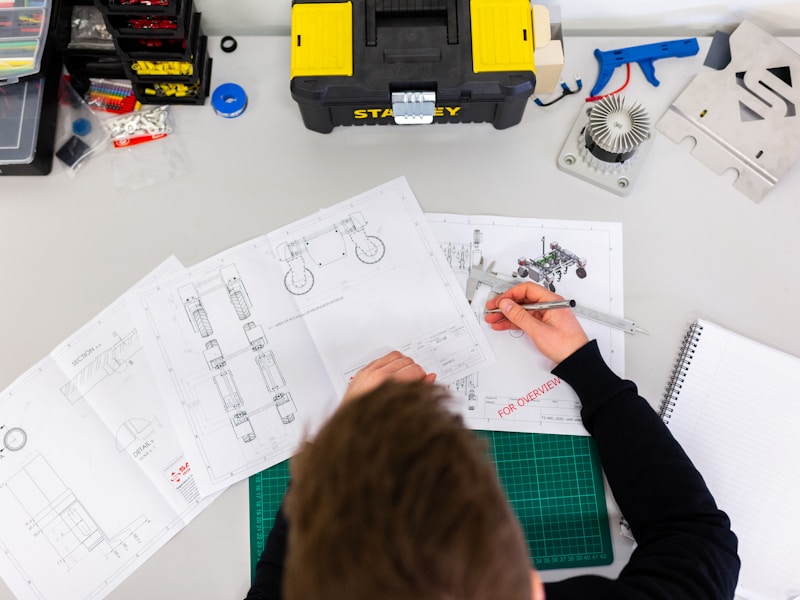
Our installation teams are small by design—usually two people, occasionally three for large structural openings. Each team includes at least one surveyor-qualified installer.
We don't run multiple jobs simultaneously. When we're at your property, that's our only focus for the day.

We return six months later to check settlement and make any minor adjustments. It's in the contract, not an optional extra.
Annual servicing is available if you want it, but most of our installations don't need intervention for years. That's the point.
We have customers who first called us for a single window in 2003 and have since had us back for three house moves. That tells you more than any marketing could.
Good installation work should be invisible. You notice the view, the light, the reduced energy bills. Not the installation itself.